I’ll be following up on the overall vision dev diary with a deeper dive into our design for the Trade System. We’re starting our feature-specific dev diaries with Trade because, as you’ll see, it is connected to nearly every other feature we’re developing for Silk & Silver. But before we get into it, remember that all screenshots are work-in-progress and we are in the middle of development. Everything is subject to change.
Trade is a new layer that not only provides a new mechanic primarily used by Mercantile Governments, but more importantly, makes economic play more strategic for all characters and connects buildings on the map to actual gameplay. It’s where the other features in Silk & Silver meet and clash, where mercantile empires and trade leagues are born.
When you start your first Trade Route in Silk & Silver, the economic engines of the medieval world will already be turning. Your job is to muscle your way in and carve out your niche.
Before we get into how Trade plays out moment-to-moment, let's lay out all the levers we will have at our disposal. The Trade system is built from a handful of core concepts: Markets, Goods, Categories, Routes, and Monopolies. Each has a clear function, but they interact constantly. We'll take each in turn.
Trade Markets
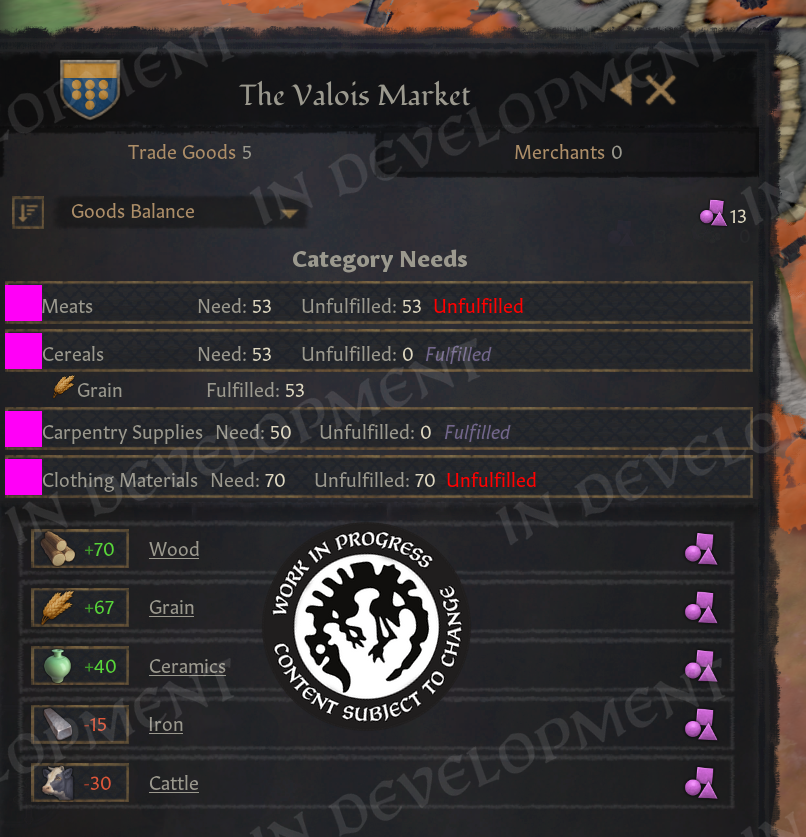
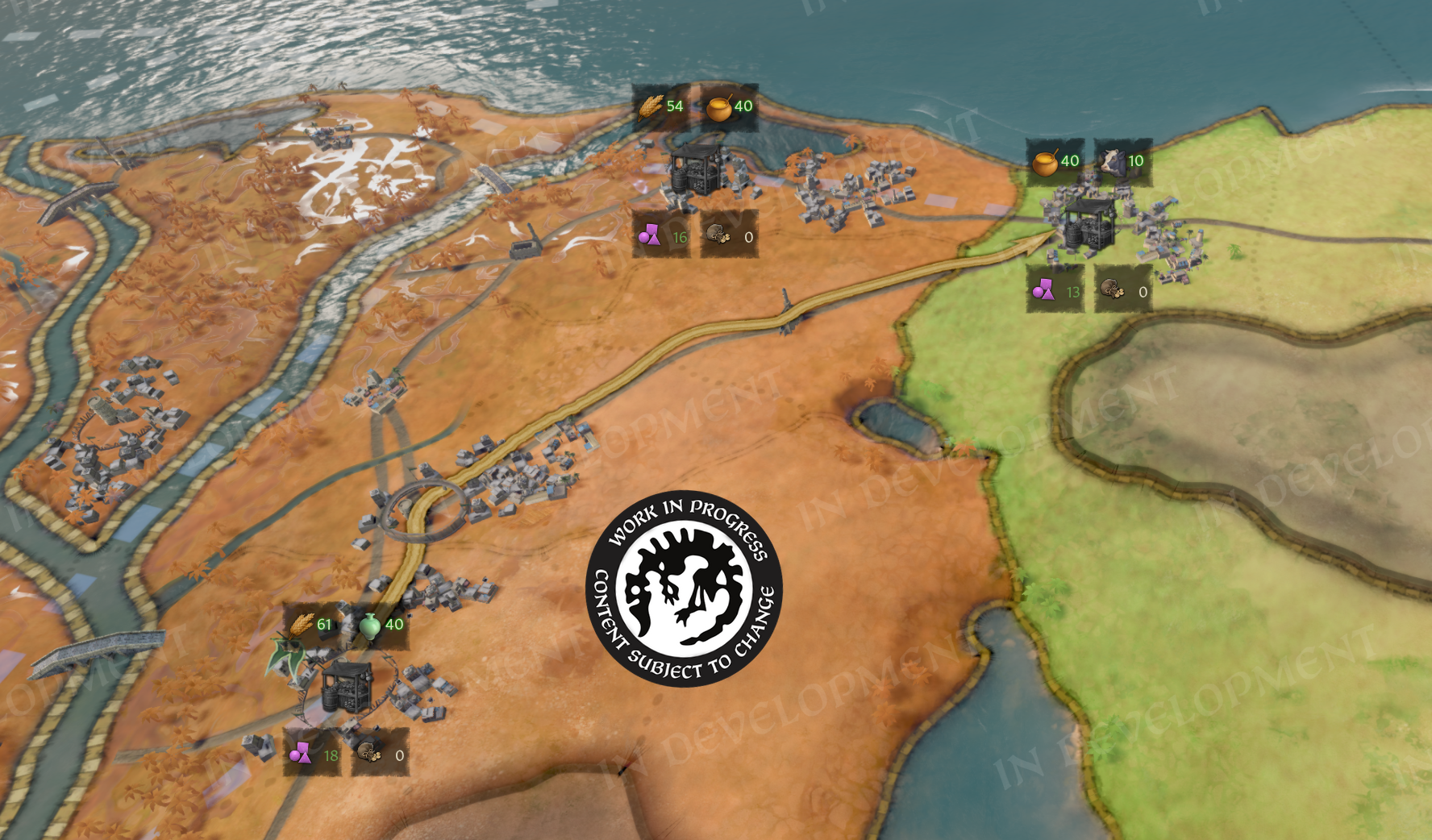
The world is filled with over 900 Trade Markets, one for each de jure duchy on the map. Each Market is located in the capital barony of its de jure duchy and serves all of its constituent holdings inside that duchy area. These are defined on game start and do not move.
Trade Markets track the overall Trade Good Productions and Needs of their constituent holdings. They are the mercantile hub of the area. Holding the de jure duchy capital where the Market is located provides you with some bonuses like being able to hand out Monopolies (discussed below).
Trade Goods
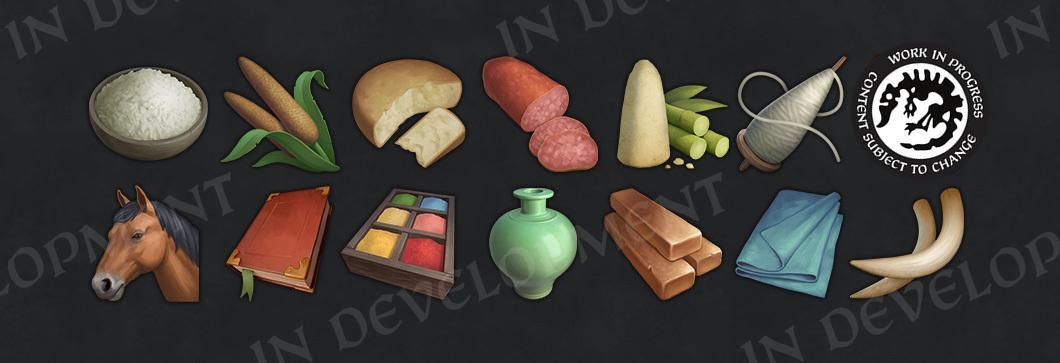
At time of writing, there are over 40 types of Trade Goods scripted in the game. These are entirely defined by script, so yes, modders, you can go wild.
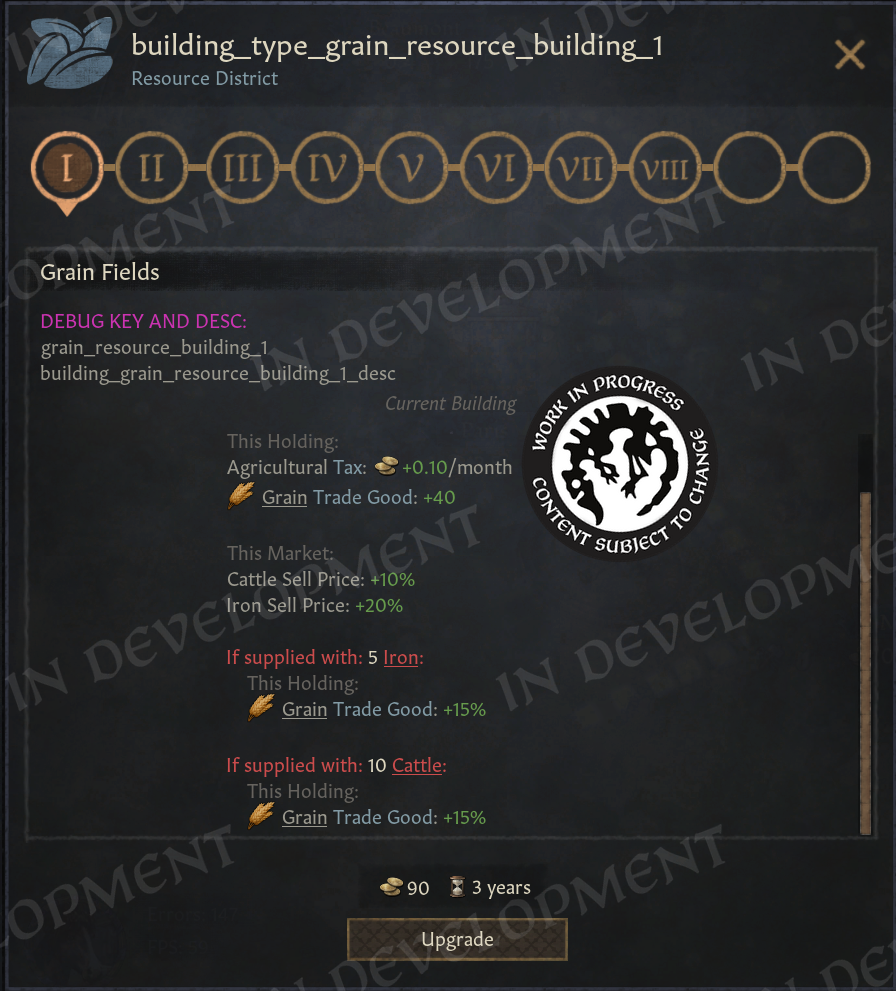
Trade Goods are primarily produced in Resource Production Districts and their associated Buildings. We track Production via modifiers on provinces. The system is designed to be quite flexible to allow for content and other systems to affect production, buy/sell price, and other factors.
Trade Categories
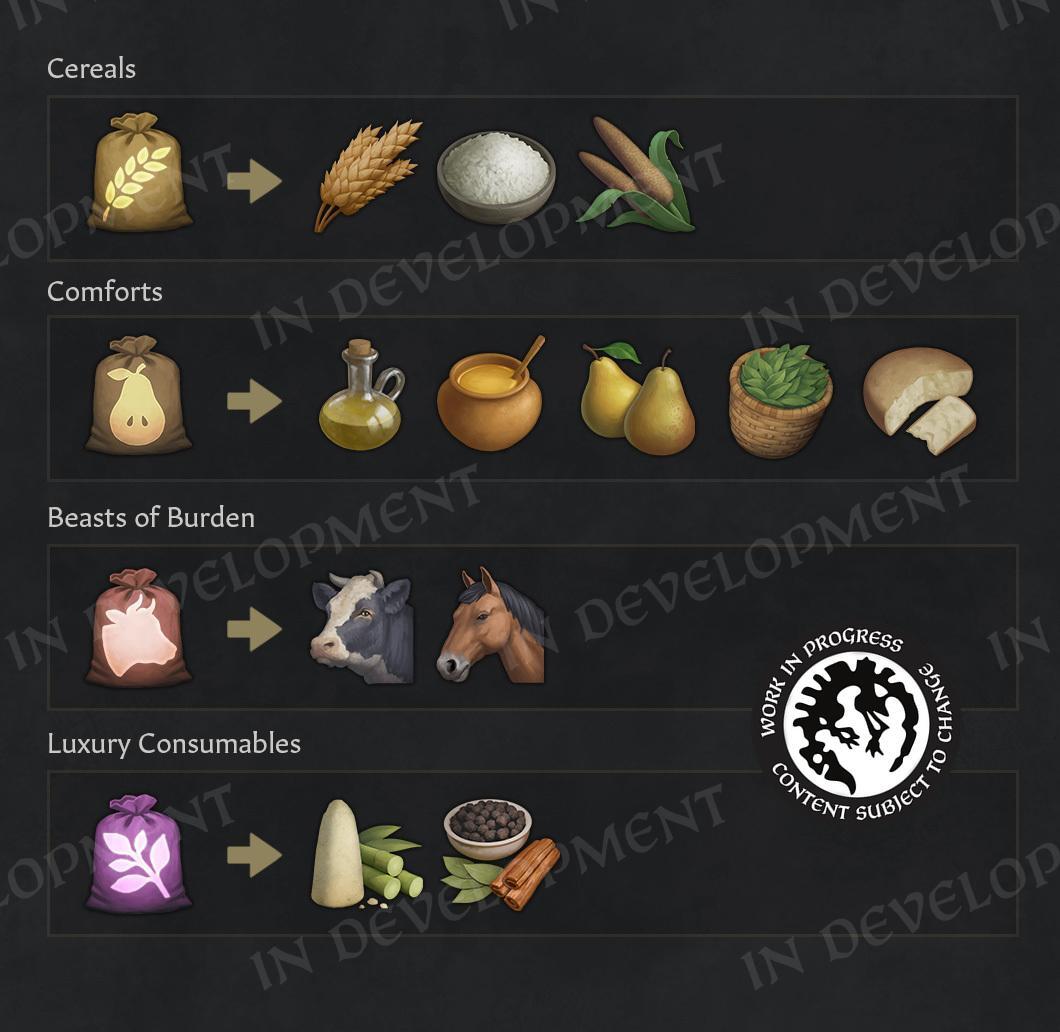
When a building needs grain to feed its workers, it doesn't really care whether it gets grain, millet, or rice. What it really wants is cereals. Cue Trade Categories.
Trade Categories group related goods together so the system can express needs at the right level of abstraction. Some categories are simple: Salt is a single-good category. Others, like Cereals or Meats, can be filled by any of several substitutable goods. This becomes important in two places: when buildings broadcast what they want, and when monopolies claim an entire slice of the market, but more on those below.
Trade Routes
Trade Stats
Max Routes — how many routes you can run simultaneously.
Max Markets per Route — how many stops a single route can string together.
Range — how far from your home market a route can reach.
Capacity — how much a single route can carry in terms of Trade Good quantity.
Competitiveness — how aggressively the route claims its share when contested. (Big enough topic that we'll come back to it below.)
Most of these grow as you invest in the trader assigned to the Route, your Domicile buildings, and your route history. Specialization and commitment compound.
Primary Goods & Trade Expertise
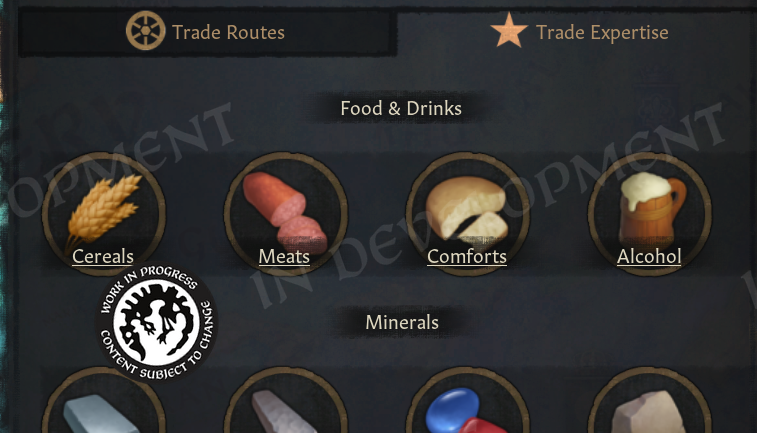
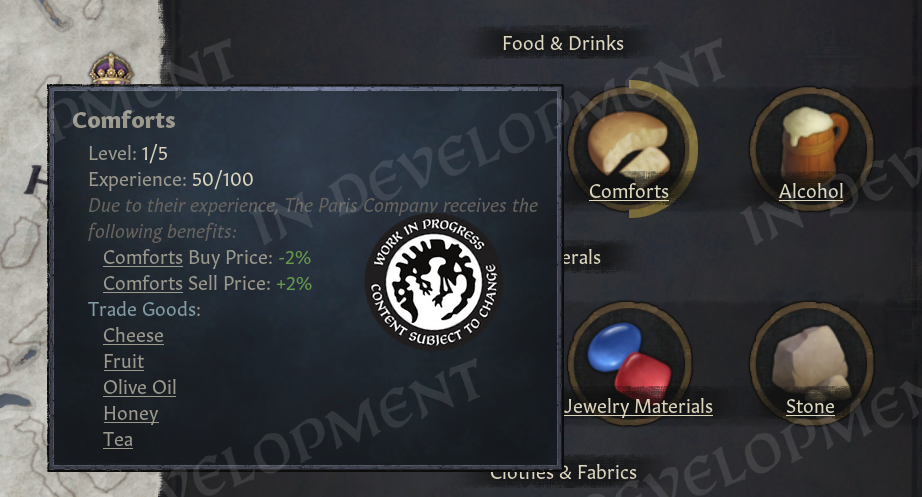
Every Trade Route designates one of its goods as the route's Primary Good. This is the route's specialty, the thing it gets better at over time. Trading a Primary Good earns Trade Expertise in that good's category, and as a category levels up, the merchant gains stacking bonuses to how well they trade goods in that category.
A merchant who's mongered cheese for forty years isn't just a simple cheese trader. They're the Cheesemonger of Europe, and the system is built to reward exactly that kind of patience. Pick a good, stick with it, and let the years compound.
Trade Expertise lives on the merchant's title rather than directly on the character, so progression survives succession. Your heir inherits the family's hard-won reputation and resumes the work.
Acumen
Acumen represents a Merchant's business savvy. It grows month by month based on the profit they actually pull in, not the volume they move or how many routes they run. At higher levels, Acumen unlocks personal bonuses that lift every Trade Route the Merchant owns. The intent is a subtle pressure to stay profitable and reward sharp deals.
Traders
The quotidian tasks of a Trade Route are managed by a Trader. Traders are characters you assign from your Associates or family members. A Trader's skills shape what their route is good at, affecting things like Competitiveness, for example. A well-rounded Merchant Company means you can maximize the effectiveness of all your Trade Routes
Competitiveness
When more than one merchant tries to sell salt in the same market, who wins? Cue Competitiveness. Each route's share of a market's trade is determined by its Competitiveness relative to the Competitiveness of other Trade Routes trading that same good.
You don't get exclusivity without a Monopoly (discussed below). Instead, you get a slice proportional to your Competitiveness score. That makes Competitiveness the single most contested stat in the system. Investing in your Competitiveness is a key way to garner success as a Merchant and ensure that you are able to buy and sell up to your maximum potential.
Monopolies
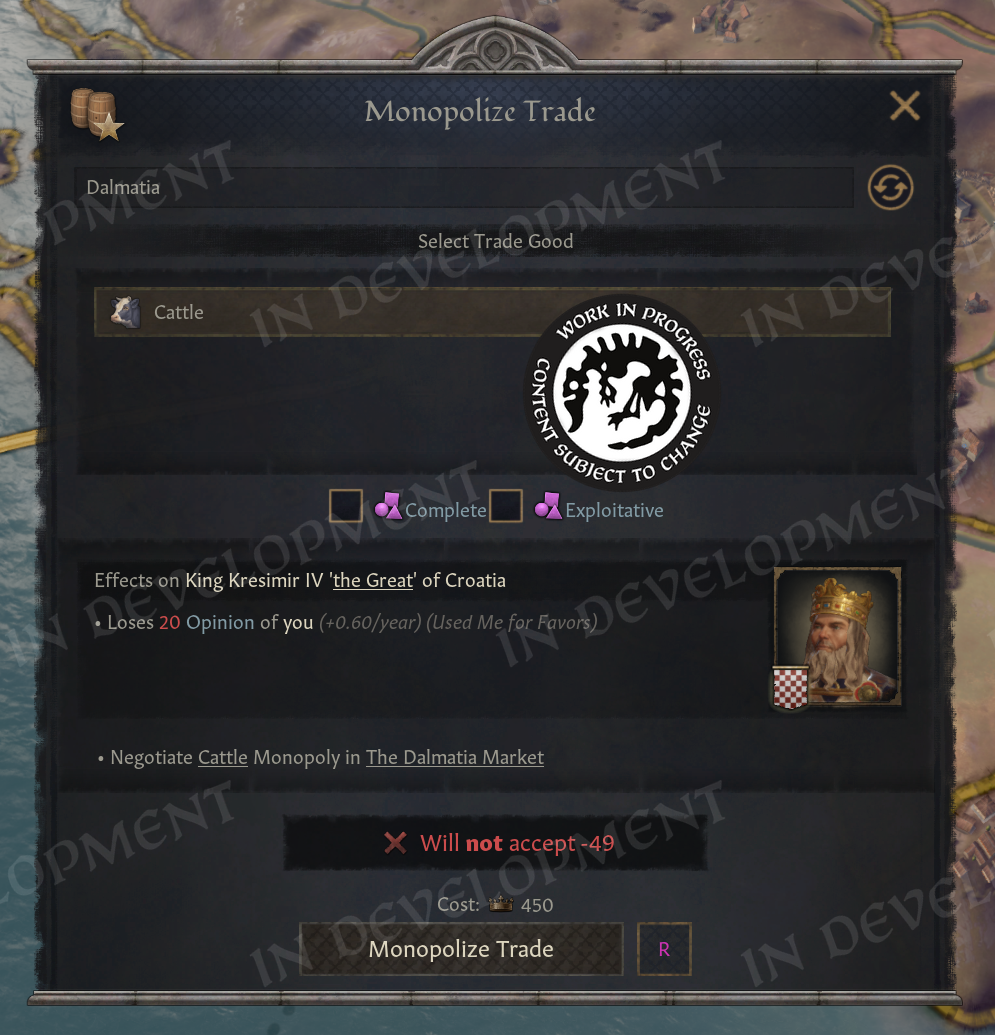
A Monopoly is the ultimate version of Competitiveness. Where Competitiveness lets you compete for a share, a Monopoly locks the market down entirely. Other traders simply cannot move that category of goods through a market you have monopolized.
Monopolies are granted by the holder of the market's capital, and they can be granted to a specific merchant, to a republic, or to an entire Trade League whose members all share the privilege. Two types exist:
Normal monopolies respect local needs and claim the entire surplus.
Exploitative monopolies pull goods from local demand too, enriching the monopoly holder at the expense of the markets.
Both of these types can be on a single Category, or extended over an entire Market, making it a complete market monopoly.
The Trade Loop Overview
Trade connects Trade Markets and balances their surplus productions with needed goods. Once a month, every market in the world calculates what it produces and what its buildings need. Routes then look at those balances and propose trades: buy up some surplus from one market, sell it for a tidy profit (if you have a Mercantile government) in a market with a deficit. The system resolves all of these proposals, adjusts balances across all the markets, settles the profit accumulated, and marks which Buildings' Needs are fulfilled.
Needs & Productions
Needs come from buildings. Many buildings require certain trade good types or categories: grain, leather, iron, dyes, etc. That demand is rolled into its market's monthly Needs.
Production comes from Resource Production Districts and their associated Buildings.
When Production exceeds Need, the market has a Surplus available to export. When Need exceeds Production, the market has a Deficit waiting to be filled. Buildings sit at the heart of the new economy and your decisions about which buildings to construct directly shape how markets behave and, consequently, what the trade landscape looks like from game to game.
Trade for Landed Rulers
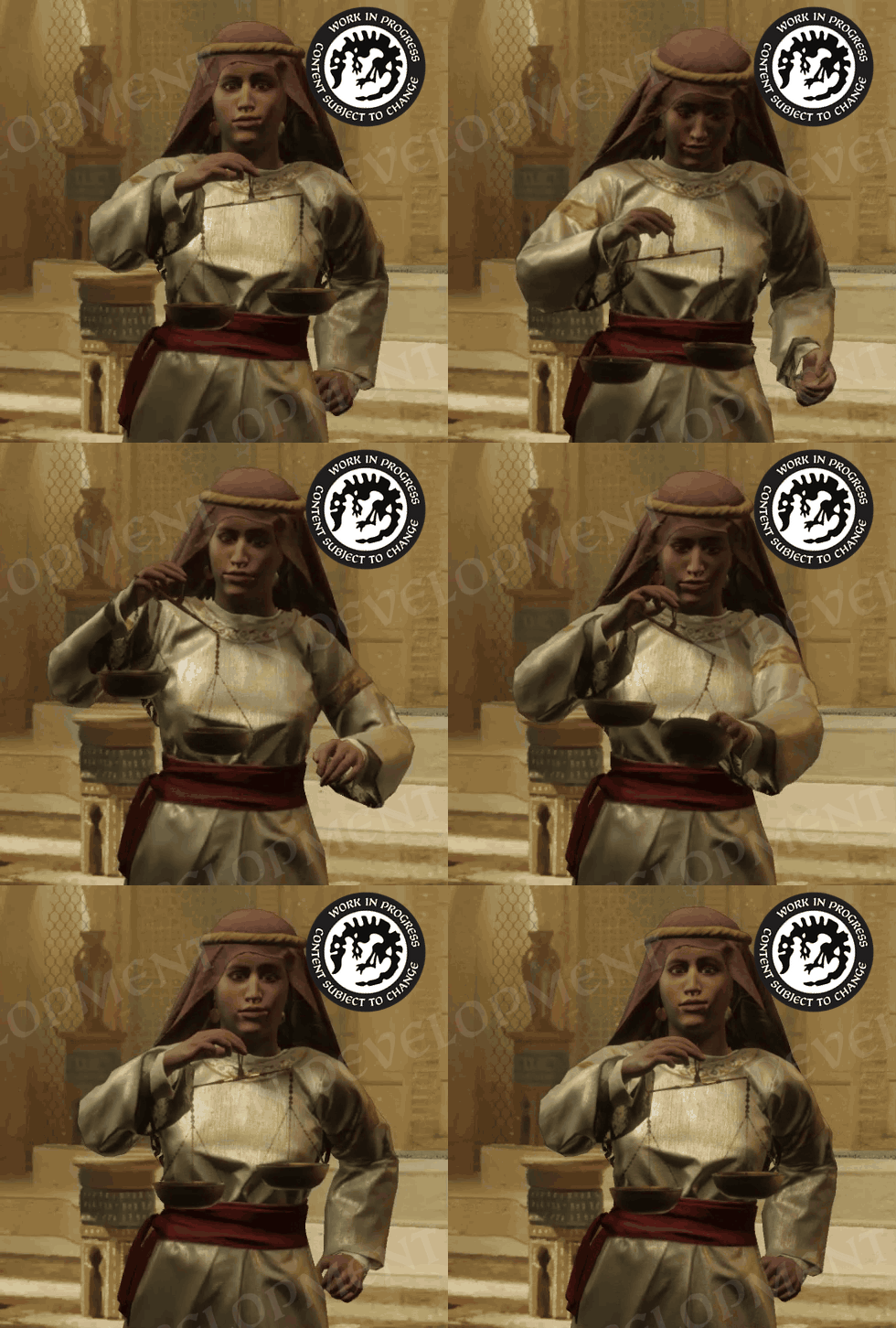
If you're playing a settled ruler with land to manage, Trade is mostly something that happens to you. You don't profit from trade routes, and you can't really go toe-to-toe with merchants for market share. What you can do is run what we're currently calling Acquisition Routes (the name is still in flux): routes that exist purely to move goods into your lands so your buildings get what they need.
These are incredibly limited, though, and you'll rely on Merchants to fulfill the vast majority of your Needs. They're the ones who'll actually fill your markets at scale. So you build relationships: invite merchants to your court, grant them concessions, contract them to fulfill a certain Need, etc. How you interact with them is entirely up to you, but remember that the carrot usually works better than the stick.
Trade For Merchants & Republics
If you're a Merchant or a Republic, Trade is your whole world. You run Profit Routes with the goal of buying low in surplus markets, selling high in deficit markets, and most importantly, profiting. You compete with market rivals, lobby for Monopolies, level up Trader skills, build Acumen, and stitch together a network of Markets that compounds over generations.
Setting up a Trade Route
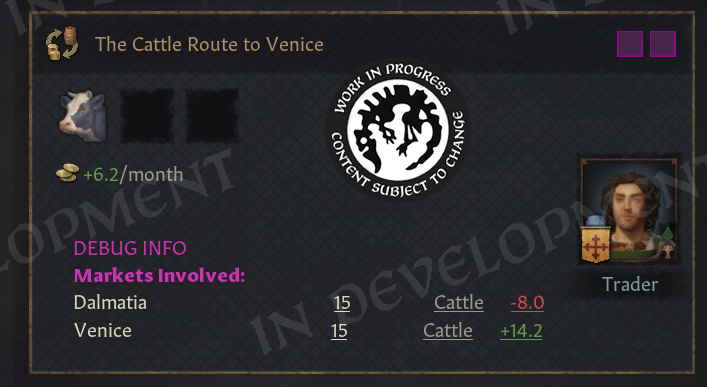
Setting up a route is the central action of mercantile gameplay. You pick a chain of markets you want to connect, choose which goods you'll move, designate one as your Primary Good (the route's specialty, and the category for which you'll earn experience in), and assign a Trader to run it. The route then becomes a persistent thing in the world, visible on the map, generating gold (only for mercantile characters), aging, leveling, and over time perhaps even paving roads as it goes.
Routes require a certain level of commitment. You can edit them, sure, but you can't shuffle them around entirely or replace a route so completely that it becomes the Route of Theseus. A route's defining characteristics matter.
Monthly Recurring Trade
Once a route is running, it's largely self-driving. Each month, every active route ticks: it buys from its source markets, sells in its destination markets, settles the books, and credits your treasury. You don't need to micromanage, though you very well can and should if you want to squeeze every last piece of gold out of the economy.
Wars, plagues, building changes, and competitor pressure all shift the numbers month-to-month. A perspicacious merchant will notice when a profitable route starts slipping and intervene before it breaks; one who doesn't may simply wonder why their income is quietly eroding as the months pass by.
Trade Posts
Trade Posts are the long arm of a Republic. A Republic ruler can establish Trade Posts in county capitals across the world. Trade Posts host their own buildings (which benefit the Republic owner, not the local ruler) and let a Republic project economic power into territories it doesn't actually control. You'll hear more about these in a future dev diary.
Roads
Trade leaves marks on the map. Where routes run consistently between two Markets year after year, roads emerge: first as worn paths, then proper roads, climbing through tiers as the routes hold their course. Each tier moves armies a bit faster, makes travel a bit safer, and adds a variety of modifiers along the way. Stop trading, and the road decays. We'll dig into roads further in a future dev diary.
One question we know we'll get is: How will the AI handle all this? This, along with economy balancing, is something we are seriously iterating on as we develop the expansion. Merchant and Republic AI characters create routes, pick goods, assign Traders, lobby for monopolies, and compete with you for market share. Currently, the new system feels populated: markets aren't empty until you show up to trade in them; they're already busy, and your job is to muscle in.
We're still tuning, and will continue to do so until release. The AI doesn't yet do everything we want it to, and we'll keep iterating through the rest of the production cycle. But the foundation, i.e. AI characters being real participants in the economic world instead of background scenery, is in.
Other areas we have a keen eye on are ensuring the AI has competitive strategies for determining building chains to construct and, on the flip side, that AI Merchants make smart trades without min/maxing like some players might.
That's the vision. Trade in Silk & Silver is the layer where buildings, characters, geography, and politics all push against each other. It's a system that wants you to build empires of cheese, medicaments, salami, and silk; one that rewards specialization and patience; and one that makes the world feel populated with economic competitors and allies.
We've left out some detail here on purpose. A more technical dev diary will follow closer to release where we'll dig into the mechanics, modifiers, script, etc. For now, we wanted to give you the shape of the system and a sense of how it'll feel to play. See you in the comments.
It's been quite the journey, I know, but it's almost here — Subnautica 2 is dragging us back down beneath the waves on May 14.
Subnautica 2 is an open-water survival game from the creators of the original Subnautica series, wherein you can play alone or with friends and explore alluring biomes and discover fascinating creatures, crafting vehicles, tools, and bases to help survive a mysterious alien world. While there have been a few wobbles — including a painfully public falling out between developer Unknown Worlds and publisher Krafton — the game is finally releasing into early access later this week.
As an early access title, Subnautica 2 launches as a work-in-progress, which means you may experience some issues and bugs along the way. "We make our best games when you are involved from the start," the developer explained. "The earlier you play, the faster we hear what you want. This is how we have historically built our games. By involving you in the development process and iterating on your feedback, we build better games."
Depending on where you are in the world, Subnautica 2 is set to go live at the following times:
Thursday, May 14, 2026:
PDT (San Francisco):
8am
CST (Mexico City):
9am
CDT (Chicago):
10am
EDT (New York):
11am
BST (London):
4pm
CEST (Paris):
5pm
CST (Beijing):
11pm
Friday, May 15, 2026:
JST (Tokyo):
12am midnight
AEST (Sydney):
1am
NZST (Wellington):
3am
Vikki Blake is a reporter for IGN, as well as a critic, columnist, and consultant with 15+ years experience working with some of the world's biggest gaming sites and publications. She's also a Guardian, Spartan, Silent Hillian, Legend, and perpetually High Chaos. Find her at BlueSky.
Steamis absolutely unmatched when it comes to its library of free games available for PC gamers across the globe, offering several different promotional options in the form of limited-time free trials, free demos, and of course, its extensive free-to-play collection. Gabe Newell himself has stated time and again over the years that Steam's success as a platform is large in part due to Steam's various sales and free promotions, and it makes sense why it's the go-to storefront for PC gamers worldwide.
I have bad news for fans of EA's unsettling horror series, Dead Space — former writer and producer, Chuck Beaver, thinks a fourth instalment of the acclaimed sci-fi series is unlikely due to low sales despite its "fervent fan base."
Talking on the FRVR Podcast, Beaver admitted that the "numbers just aren't there," adding that to recoup the costs of the franchise's high production values, any new game would need to sell over 10 million copies — a tall order for even a breakout horror game.
“Any of the Resident Evils are selling around seven million , that’s a pretty good number," Beaver said. "But, you know, companies now are looking for the next Fortnite. They need something that is a perennial moneymaker… something like a single-player package game with no live-service offering that’s like it’s just a dinosaur fossil of a business model."
Beaver was pragmatic, though, insisting it didn't feel "unfair" that the series failed to expand past its third entry. "It wasn’t like it didn’t get a run out of it,” he said. "I mean, it’s disappointing that we can’t ake a beloved franchise to its logical end, but I guess I’m too much of a producer, [I’ve] been producing for too long. I understand the numbers, and I understand what’s happening, and why even Motive wasn’t really greenlit for anything after the remake."
The Dead Space remake, developed by EA-owned Motive Studio and released in 2023, was well-received but appears to have not done enough business to convince the powers that be at the mega publisher to invest in a follow-up.
IGN's Dead Space remake review returned a 9/10. We said: "Dead Space is a superb remake and undoubtedly the definitive way to experience one of the best survival horror shooters that Capcom never made."
“Horror games have a bit of a ceiling, you know, and I think the number back in [former EA VP] Frank Gibeau’s day was 5 million units to keep going on Dead Space," Beaver continued. "I think the number is like 15 million units now, given the cost of things," he added, before joking that it was "a sadness in capitalism for all of us to suffer, until AI makes it apparently easy for you and I just type 'make Dead Space 4.'"
In October, Glen Schofield, the co-creator of Dead Space, told IGN he hoped to bring the franchise back to life, despite EA's lack of interest. “I went to recently and they're like, 'No, we're not interested anymore,'” he said. “I said, 'I can get back the leadership team. I need the models from EA Motive and I can save you 30 to 40 million dollars on the idea that I have.' And, they're like, 'No.'"
“I have quite a few ideas that I'm ready to go with and one of them is Dead Space 4,” Schofield continued. “The fact that EA just got bought, I think there’s an opportunity. I’m already making calls.”
Last year, EA was acquired by an investor group composed of PIF, Silver Lake, and Affinity Partners in a transaction worth approximately $55 billion. Schofield speculated that in order to recoup some of that cost, the investors could potentially look to offload some of EA's more dormant intellectual property.
“We’ll see,” Schofield added. “I don’t know where EA’s head is right now, I don’t think they made money on [the Dead Space remake]. Dead Space needs to be adapted to different mediums — movies, TV series, it would be great. But I am more optimistic [since the sale of EA], because somebody new could buy [the Dead Space IP].”
Earlier this year, 28 Years Later: The Bone Temple star, Alfie Williams, revealed he's been playing Dead Space and made a push to star in a movie adaptation... if it ever happens.
Vikki Blake is a reporter for IGN, as well as a critic, columnist, and consultant with 15+ years experience working with some of the world's biggest gaming sites and publications. She's also a Guardian, Spartan, Silent Hillian, Legend, and perpetually High Chaos. Find her at BlueSky.
Hideaki Nishino, president and CEO of Sony’s PlayStation business, is all-in on AI in gaming. During Sony’s parent company earnings call, Nishino made a presentation on how Sony is using AI within Sony Interactive Entertainment, the game division.
He said that PlayStation’s goal remains to be “the best place to play and the best place to publish.” He also said AI will be a powerful tool in helping to achieve that mission. While other corporate executives are saying similar things about AI, there’s an increasingly negative reaction in the West to AI’s use in gaming. Some see it as producing “AI slop,” while developers may see it as failing to protect artist copyrights and also leading to job cuts. As such, it’s a risky time for Nishino to so wholeheartedly embrace AI. Still, he noted Sony would continue to support its talent, rather than replace talent with AI.
He said, “We see AI as a powerful tool to help us in this mission. For our players, this will mean gaming experiences like never before – more immersion, more adventures, and fresh ways to enjoy their favorite characters. For our publishers, this will mean a more efficient production environment and better discovery to ensure their games reach the right audience. AI is lowering barriers to creation, accelerating development cycles, and enabling more creators to enter the market.”
Sony’s AI is increqasing the volume and diversity of content, the company said. Source: Sony As a result, he said Sony expects to see a meaningful increase in the volume and diversity of content available to players. He said the platform’s role will be critical in ensuring players find the right content in an increasingly crowded landscape.
“Our studios and their IP will also continue to be a key differentiator,” he said. “When players have more choice, they will gravitate toward trusted franchises they know will deliver high-quality experiences. Within our studios, game developers are automating repetitive workflows, improving software engineering productivity, and accelerating areas like quality assurance, 3D modeling, and animation through new, AI-powered tools.”
For example, he said Sony’s teams created a tool we call ‘Mockingbird’ that quickly animates 3D facial models based on performance captures.
“Importantly, we are not replacing human performers, but rather optimizing how we process the data from these live captures,” Nishino said. “With Mockingbird, animation work that would have taken hours can now be completed in a fraction of a second.”
Sony’s AI tool for building hair is changing workflows for making games. Source: Sony He noted that Sony has already seen teams at Naughty Dog, San Diego Studio, and others adopt the tool, including in released titles like Horizon Zero Dawn Remastered.
Another example is a tool Sony built for animating hair. This is often a labor-intensive process given the volume of strands that must be created. The teams have accelerated this process by taking videos of real hairstyles and having an AI tool output a 3D model with hundreds of strands modeled.
These practical applications allow the teams to spend less time on manual, high-effort tasks and to instead reinvest their time into building richer worlds and gameplay for players, Nishino said.
“AI tools in the hands of our teams will enable not only efficiency but also new types of experiences for fans,” he said.
Sony’s AI tech Sophy was used in Gran Turismo. Source: Sony For example, Gran Turismo’s AI-powered racing agent, Sophy, has added a level of competitive gameplay for even the most seasoned drivers, Nishino said.
“Taking this further, our world-class creatives have already shown the ability to create amazing prototypes where NPCs with their own personalities can create a living, dynamic world for the player to explore,” he said.
And he offered some reassurance as well. He said, “As AI capabilities evolve, the role of our creators will remain unchanged. The vision, the design, and the emotional impact of our games will always come from the talent of our studios and performers. AI is meant to augment their capabilities, not to replace them.”
Sony’s store is benefiting from AI improvements. Source: Sony
AI is also already a part of the platform business. To take one example, over the last three years AI-powered tools ensured transactions were routed efficiently over payment networks, generating over $700 million of incremental revenue.
“We are building on this success with ongoing projects that will use machine learning to provide the best value possible to our customers,” he said. “As AI brings more choices to players than ever, the value of our platform will lie in its ability to recommend and personalize at scale.”
Sony’s use of AI is leading to better frame rates for graphics. Source: Sony And he said Sony has already seen how AI models can outperform manual curation, and this will continue to improve.
“Our AI capabilities will evolve into a consumer-centric experience that not only suggests the next game a player might enjoy, but also the next gameplay moment, subscription, accessory, or merchandise that best reflects their passion,” he said. “Beyond the store, our recently updated PlayStation Spectral Super Resolution, available on the PS5 Pro, uses machine learning to enhance image clarity, delivering 4K visuals at high frame rates.”
Sony is using AI in all parts of its games business. Source: Sony Nishino said that with PlayStation Spectral Super Resolution, games like Saros and Ghost of Yotei have never looked sharper.
“Through our investments in AI and machine learning, we will continue to push the fidelity frontier forward,” Nishino said. “We believe AI will unleash the creativity of our studios, power a more curated platform, and enhance the PlayStation experience for both players and creators.”
He concluded, “With our global player base, deep library of IP, and integrated ecosystem, AI is a powerful tool for us to deliver a truly cutting-edge entertainment experience.”




 It's been quite the journey, I know, but it's almost here —
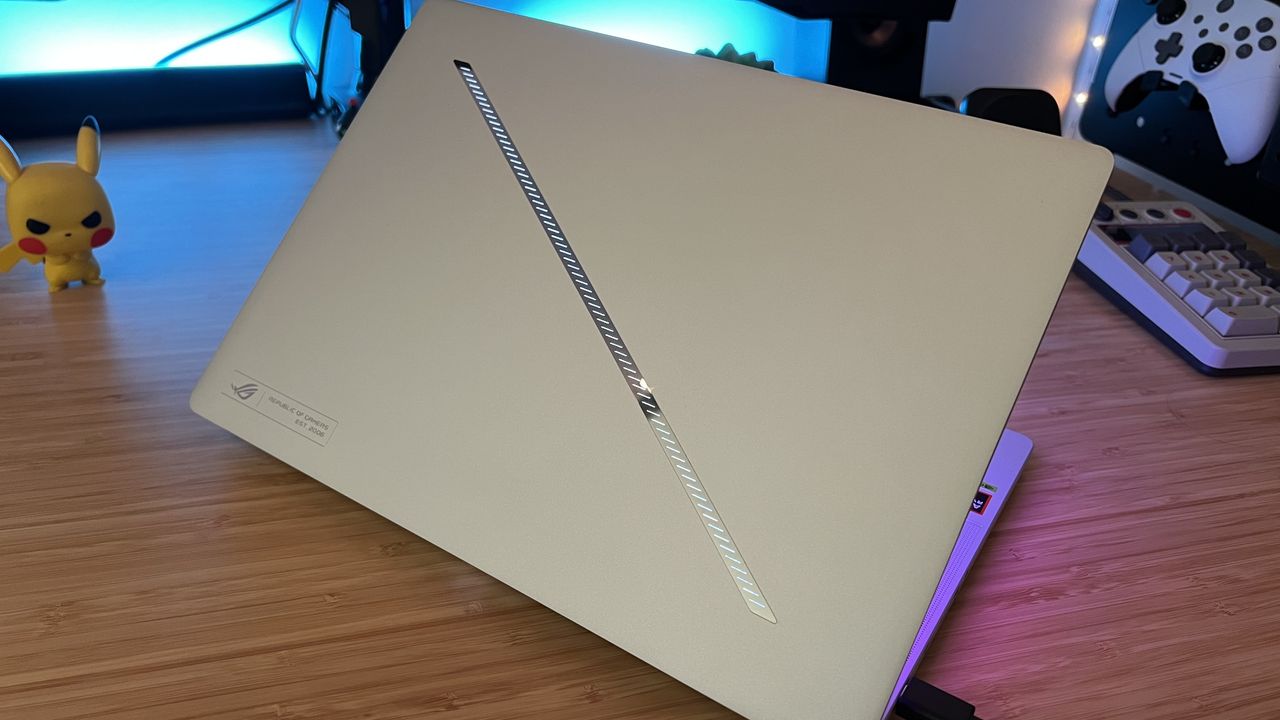 The 2026 Asus ROG Zephyrus G14 finally has a price associated, but the RTX 5070 Ti version is far more expensive than last year's RTX 5080.
 I have bad news for fans of EA's unsettling horror series,
  Pre-ordering or buying the Echoes of Aincrad Ultimate Edition will include exclusive access to Unanswered//butterfly.
 Sony’s AI is increqasing the volume and diversity of content, the company said. Source: Sony As a result, he said Sony expects to see a meaningful increase in the volume and
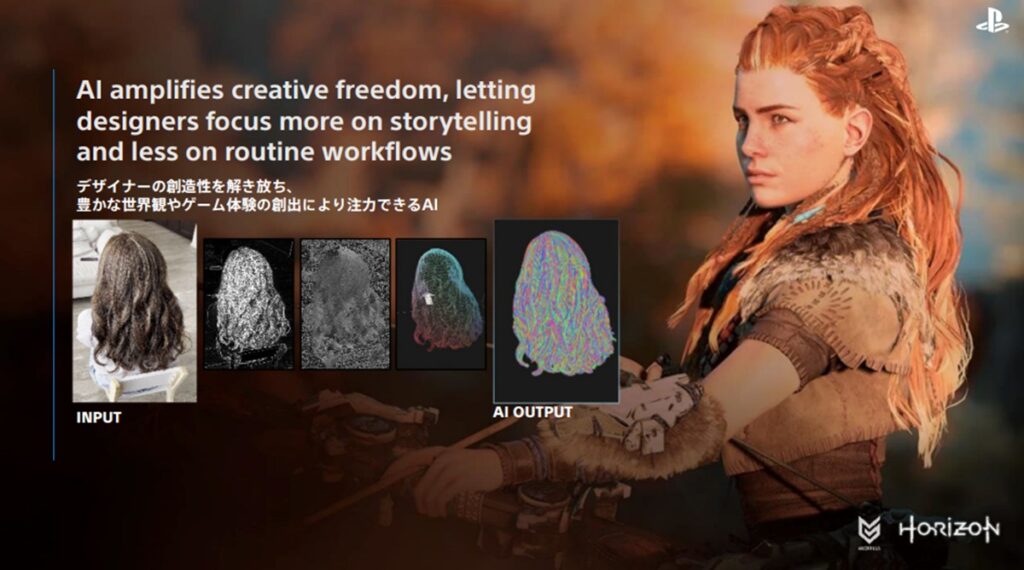 Sony’s AI tool for building hair is changing workflows for making games. Source: Sony He noted that Sony has already seen teams at Naughty Dog, San Diego Studio, and others adopt the tool, including in released titles like Horizon Zero Dawn Remastered.
 Sony’s AI tech Sophy was used in Gran Turismo. Source: Sony For example, Gran Turismo’s AI-powered racing agent, Sophy, has added a
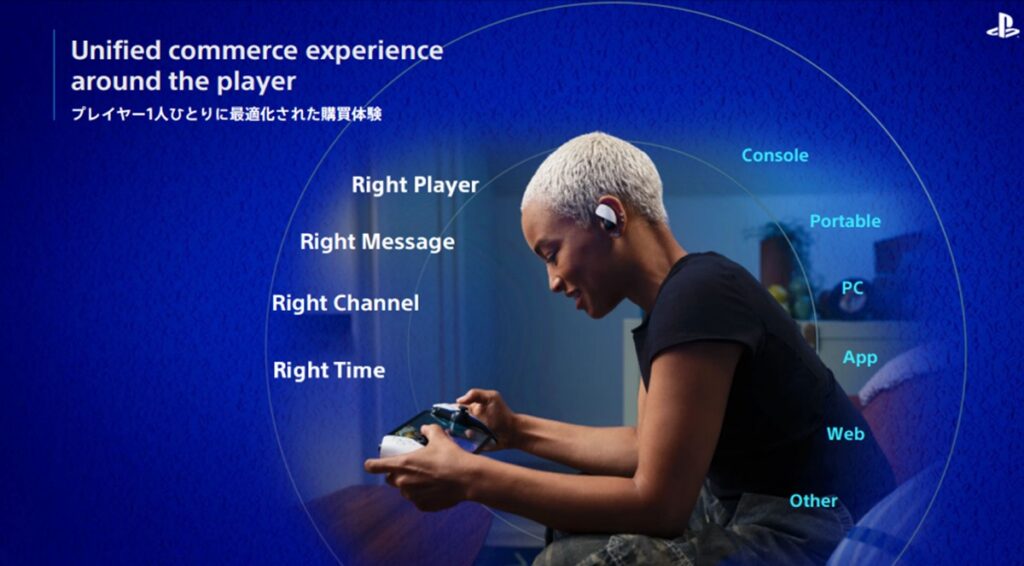 Sony’s store is benefiting from AI improvements. Source: Sony
 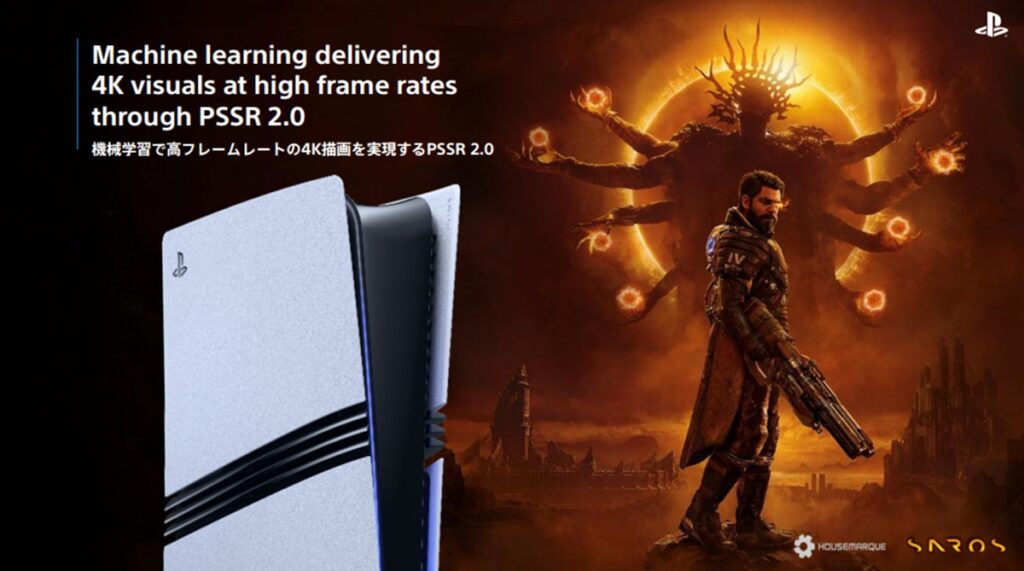 Sony’s use of AI is leading to better frame rates for graphics. Source: Sony And he said Sony has already seen how AI models can outperform manual curation, and this will continue to improve.
 Sony is using AI in all parts of its games business. Source: Sony Nishino said that with PlayStation Spectral Super Resolution, games like Saros and Ghost of Yotei have never looked sharper.
  The Leaping Kuku Bird is obtained by hatching its Egg in Crimson Desert
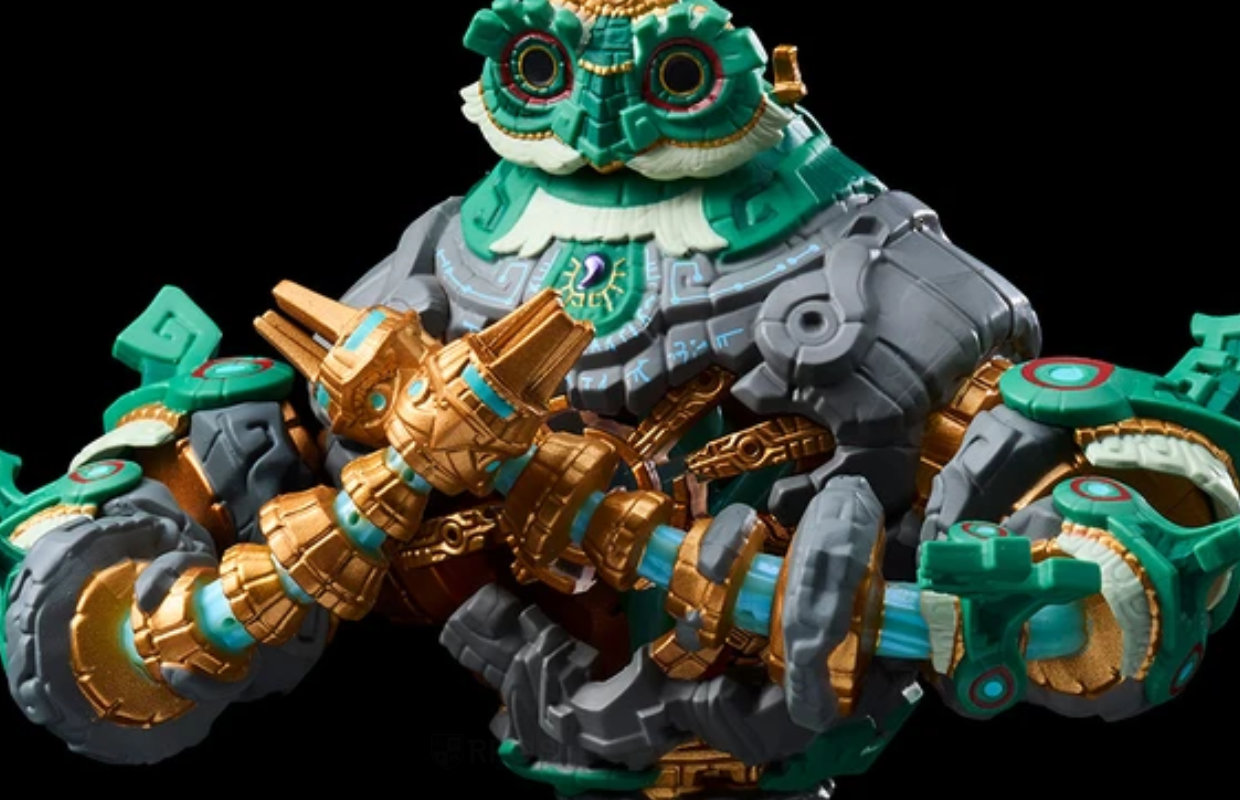 Nintendo announces the release date for a new Tears of the Kingdom amiibo.